

Houston – Sometimes, a comeback starts with one very specific goal.
For Mark Ackley, that goal was getting back to doing the things he loved.
The U.S. Marine veteran, former athlete and lifelong outdoorsman had spent much of his life staying active. But after battling Stage 3 non-Hodgkin’s lymphoma in 2023, followed by a serious back injury, the activities that once defined him suddenly felt out of reach.
“I was coming off this one-two punch,” Ackley said. “The battle with cancer was bad enough. And then there was a year recovering from the chemo after that and then right into this back injury.”
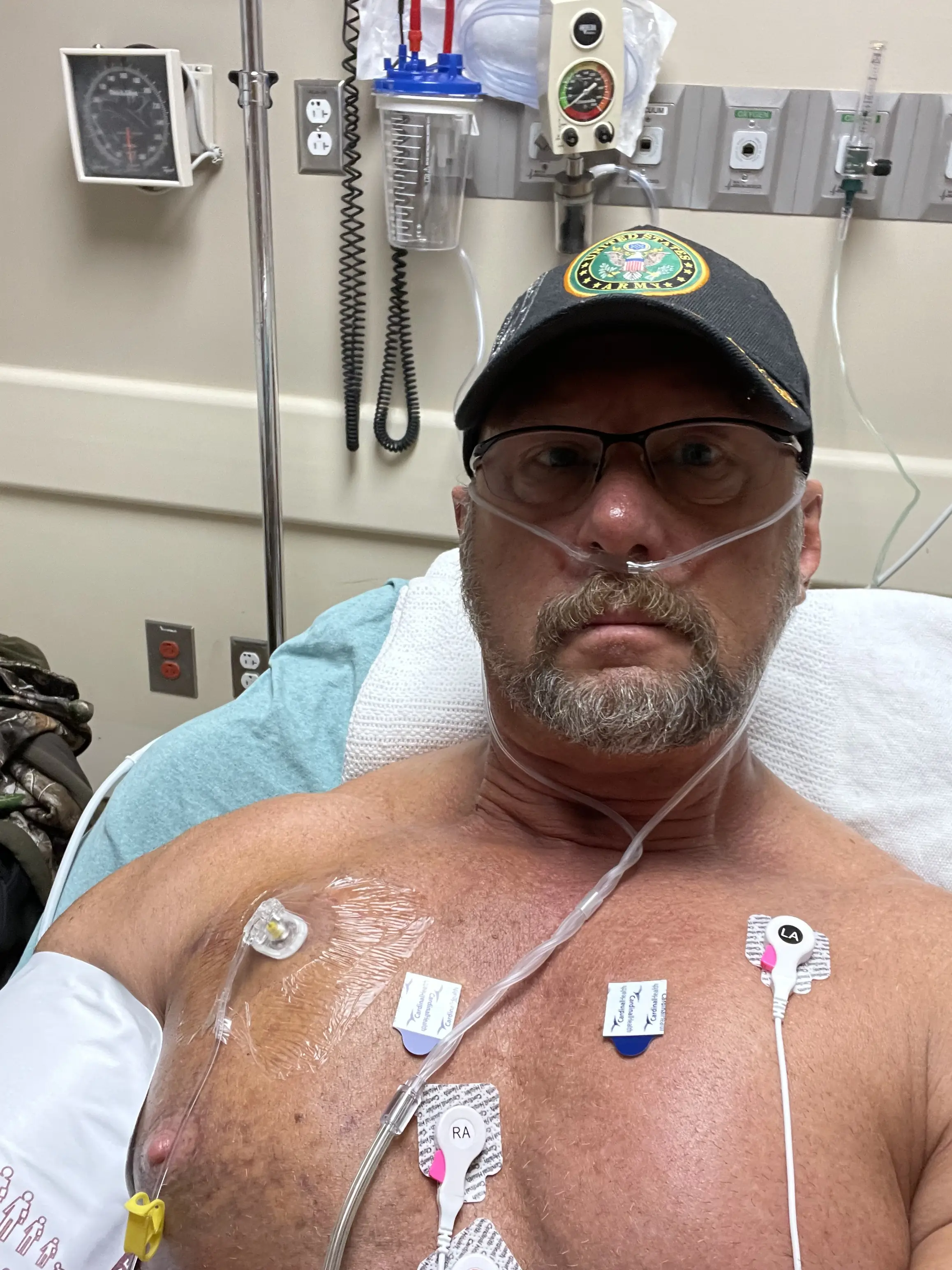
The injury left Ackley using a walker and facing the possibility of surgery and even a wheelchair. For someone accustomed to running marathons, cycling and spending time outdoors, the thought of losing his mobility was devastating.
“You’re thinking this time maybe forced retirement,” he said.
Then he met Fenix Shepard.

Shepard, a U.S. Navy veteran and Houston fitness coach, had her own difficult road back to health. After a traumatic car accident left her with a traumatic brain injury, shoulder injuries and sciatic nerve pain, she spent months using a walker and receiving injections for pain.
Shepard eventually reached 195 pounds and a size 18. At just 5 feet tall, she knew she needed to find her own way back to the gym and back to the life she wanted.
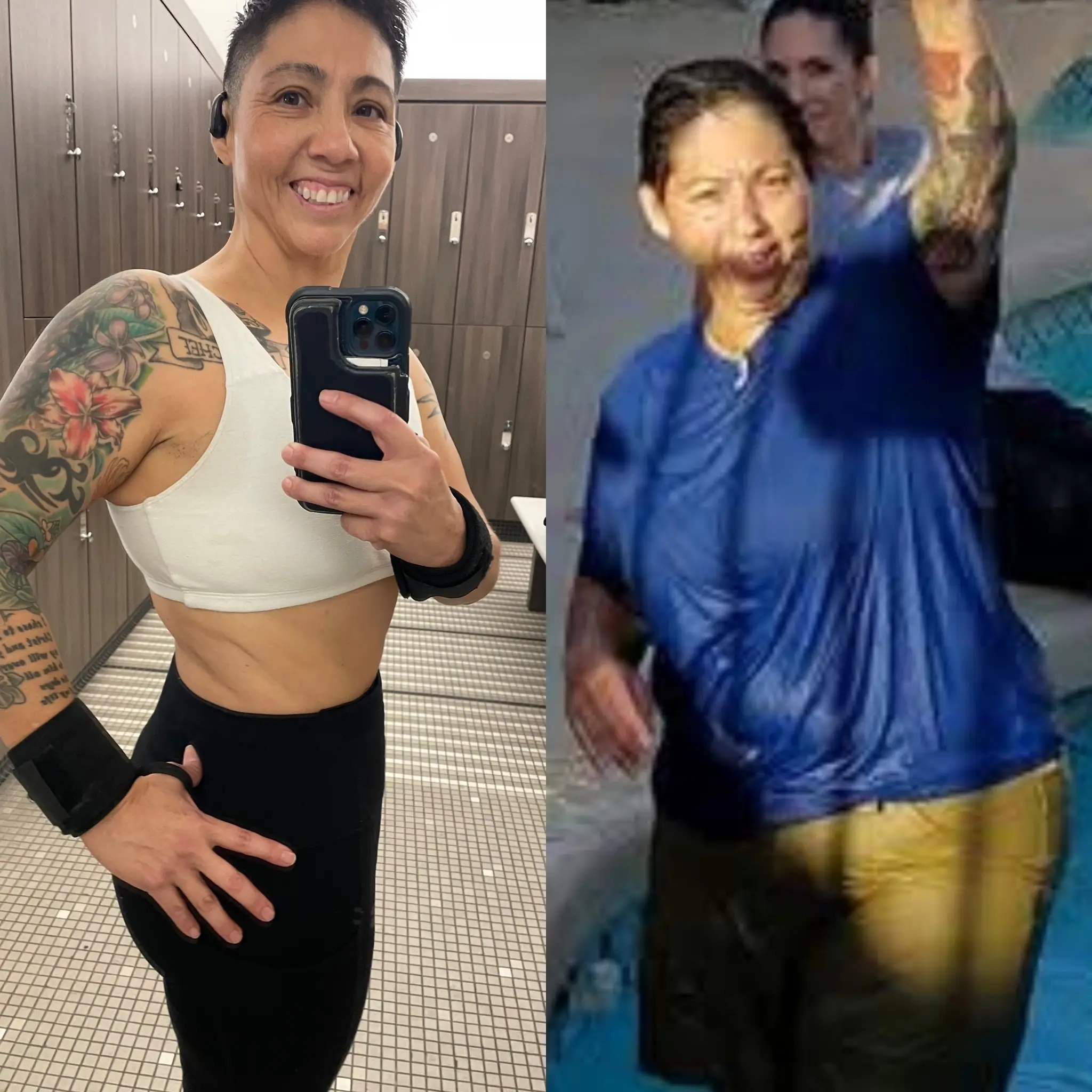
“I had to find my own way back into the gym, back to life, back to healing,” Shepard said.
When Shepard moved to Texas recently, she finally felt like she was ready to start her life again. She started he own company and published a book titled ‘Loved Unconditionally: A Spiritual Memoir of Trauma, Addiction Recovery, and Finding God Beyond Religion.’
Her own experience shaped the way she approached Ackley’s recovery.
When he walked into the gym looking for help with his mobility, he told Shepard he didn’t need a traditional personal trainer. He needed someone who understood what he was going through.
She did.
“I’ve been there,” Shepard told him.
The two veterans began working together, taking a slow and calculated approach. Instead of pushing Ackley through an intense workout, Shepard focused on movements that helped him gradually rebuild strength and mobility.
“She also knew how to pull back a little bit,” Ackley said. “We had to do this rebuild pretty darn slow.”
And Ackley had one very specific goal in mind.
“I want to be back on the dive boat, scuba diving, standing up with 60 pounds on my back in 90 days,” he told Shepard.
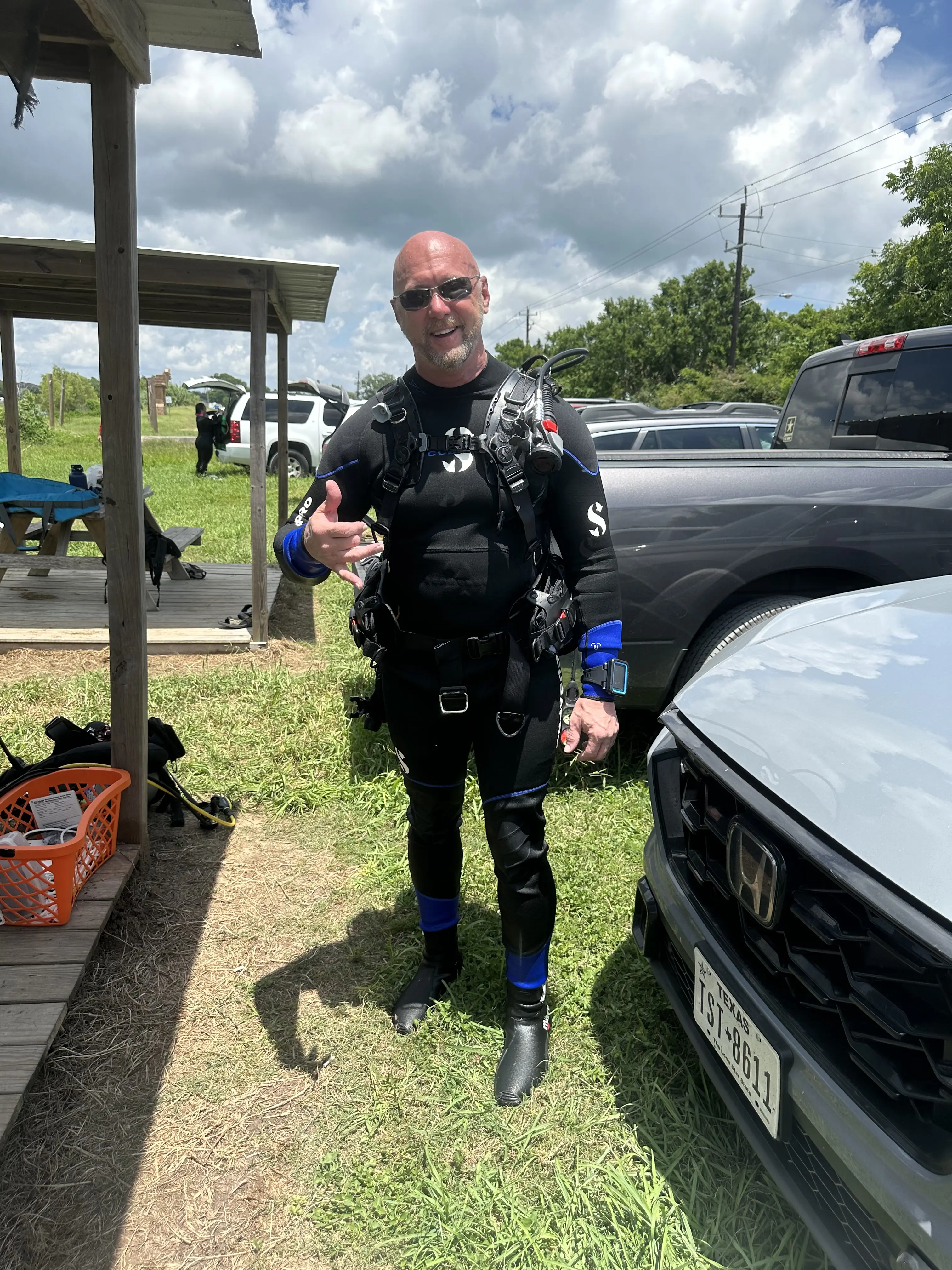
That goal gave their work a purpose.
For Ackley, the comeback became less about a number on a scale and more about reclaiming the activities that made him feel like himself.
His message to others who may be struggling with their own setbacks is simple: set a goal, find someone who understands what you’re going through and keep going.
“You’re not done yet,” Ackley said.
Today, the two continue to share that message with others. Shepard says transformation is about much more than weight loss. Her own 70-pound transformation taught her that becoming stronger and more capable can open the door to getting more out of life and Ackley’s story is a reminder that progress doesn’t always look dramatic.
During Houston Life, Shepard demonstrated some of the exercises she and Ackley used during his training, including resistance-band squats, triceps kickbacks, biceps curls and controlled core movements.
For Shepard, resistance bands can be an accessible place to start for people who may not be ready for heavier weights.
“A lot of clients that have back issues, shoulder issues, hip issues, we start with bands before I even move to going to weights,” she said.
The bigger lesson, both say, is that getting stronger can create more than physical changes. With each small improvement can come a little more confidence, and that confidence can make it easier to return to the activities and experiences you love.